
Our Counter-Methods
Shared Knowledge
Discussion on Methods with our CO-PIs
Prof. Ken Salo
Prof. Giselle Tanaka

Feminist storytelling and why is it important for our transnational struggles?
Feminist critical epistemologies rest on the premise that the prevailing terrain of knowledge and knowledge-production is fundamentally unequal, biased and insensitive to the exploitative tendencies, risks & pitfalls. The methods associated with the feminist critical epistemologies, such as feminist storytelling, are in a quest to simultaneously reveal, acknowledge and encounter these inequalities. Feminist storytelling is rooted in non-Eurocentric modes of knowledge production. Storytelling originates from oral traditions, and it is maintained as a knowledge-making activity in non-western cultures, including certain African contexts In fact, the art of storytelling as an act of resistance could be traced back to an Akan folktale character, Anansi.
The character of Anansi and its following adaptations pass on stories of resistance between generations, bringing hope and pride to enslaved people in their struggles. Storytelling and narratives are acknowledged as salient and valid tools of communication and thinking outside euro-centric models of knowledge production.
Specifically, feminist storytelling captures the intersecting realities of women and marginalized populations in various context where they have imagined creative ways to oppose the racial-patriarchal-capitalist realities of their lives. Feminist storytelling as a method makes a conscious attempt to allow the storyteller to connect to and unsettle the audience by asking them to compare and contrast their own lived realities to what they have perceived through those stories.
Our team believes that it is critical that the knowledge we produce are shared in languages that are accessible and relevant to a broad range of audiences.
It is important for socially and politically engaged scholars to produce the kind of analysis that is accessible and critiqued by different audiences across geographical, social and institutional borders. In our project, we make a collective effort to dismantle the existing hierarchies of knowledge and to validate different forms of knowledge production as defined and created by the contributions of the grassroot groups themselves. An important aspect of dismantling this hierarchy has to do with our strategic decisions about whose voices to amplify in our work whether through our methods or the resources we decide to share with our audience. Many believe that opening up the notion of what counts as theory should be the core of transitional feminist praxis. For instance, the Black Epistemology/Feminism argue that lived experiences of Black women and their life struggles is in itself a form of theorizing. Feminists like bell hooks write about the obliteration of Black women from life and the academia and emphasize the salient role of lived experiences. Feminist critical epistemologies are open to and adamantly advocate for acknowledging different forms of knowledge productions that are not usually deemed as valid but are more relevant to the present-day struggles and resistance of the marginalized groups on the ground. Feminist storytelling denounces an individualistic approach and advocates for practices of collectively producing and sharing knowledge in contrast to the prevalent Western epistemic approach where individuals acquire, create, and own knowledge as private intellectual property. There is a significant gap between academic institutions, community members and activists. We need to actively create spaces in our own institutions that facilitates such collaboration and foster an environment where we can learn from each other.
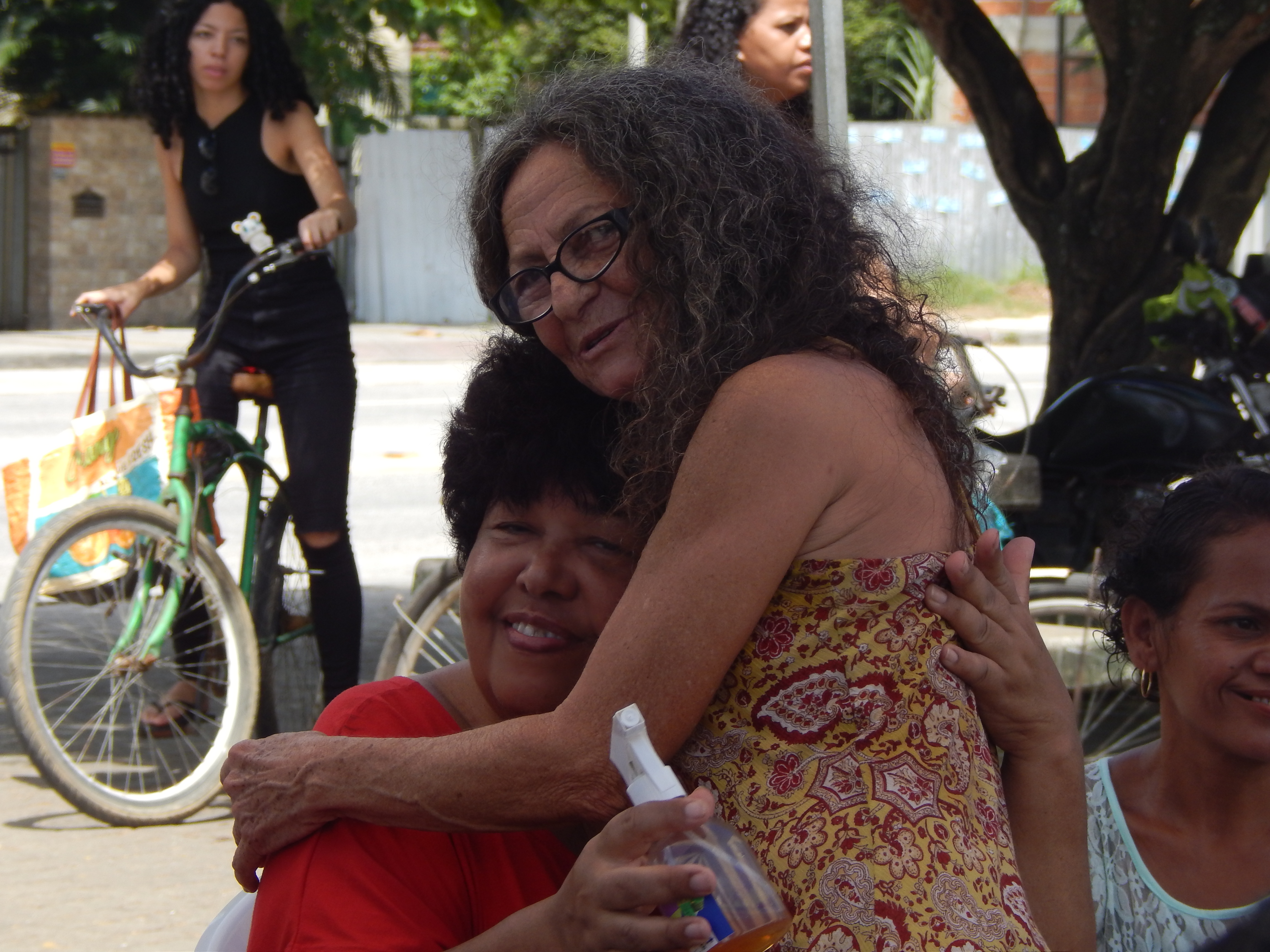
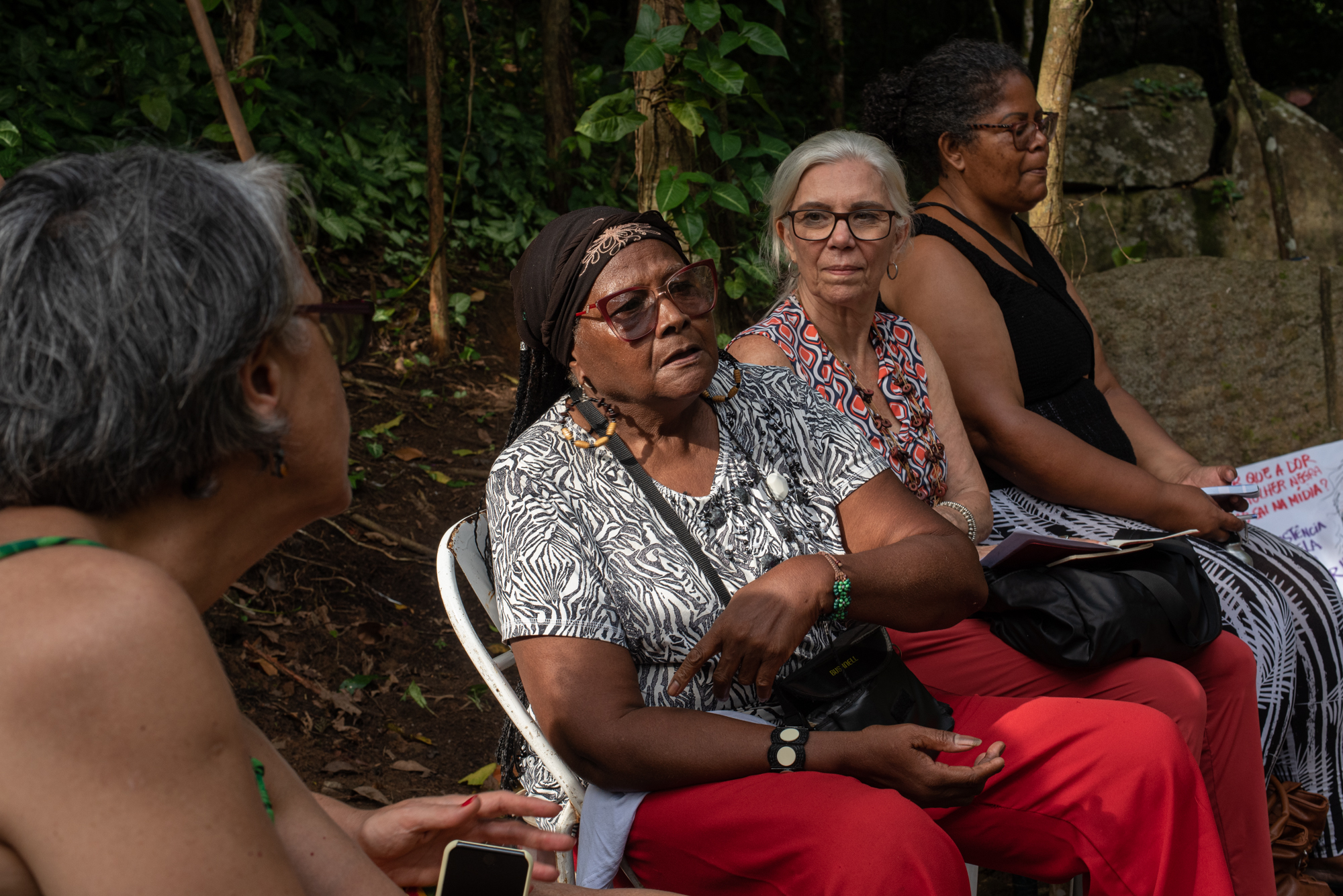
Dismantle Hierarchies
It is in the spirit of the above-mentioned commitments that our project aims to rethink local-global intersections and humane urban futures through bringing together and uplifting the voice of collectives and activists, on the ground, such as the Housing Assembly in South Africa, New Municipalism Movement in Brazil, women self-help groups in Iran, etc. in an accessible manner which aims to dismantle the existing hierarchies of knowledge and foster spaces of further collaborations both within and beyond the invited and invented spaces of academia.