Our Purpose
What do we mean by Humane Urbanism?
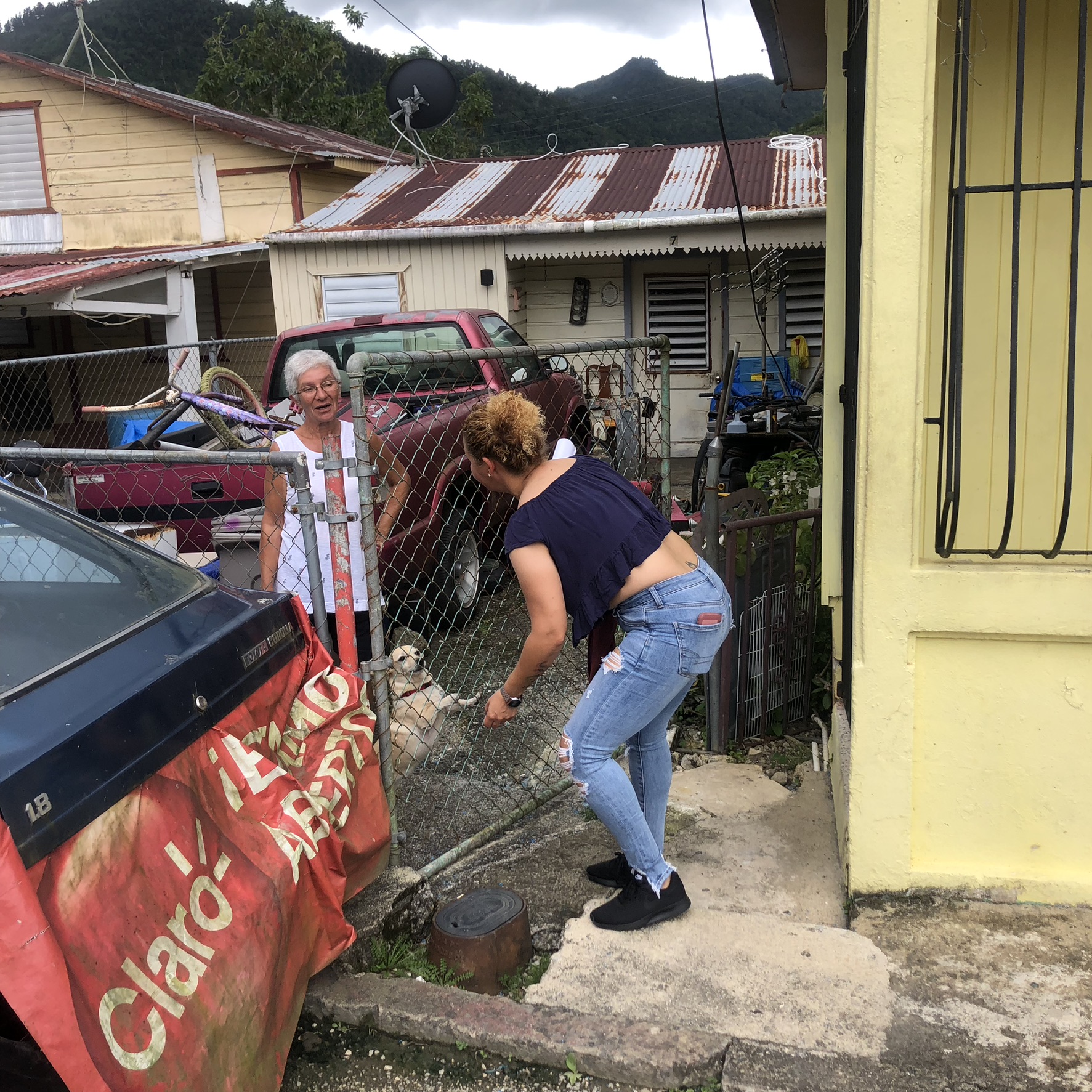
We are surrounded by a dominant form of urbanism that we call bully urbanism—where profit is at the top of the value system and the winner takes all. Bully urbanism as an everyday expression for dominant, exclusionary modes of combined and uneven urban development displaces and dispossesses all to make and maximize profit. Humane urbanism, on the other hand, centers on life and practices of care (for more see Miraftab, Salo, Huq, Aristabal and Ashtari 2019; Miraftab 2023).

Why Solidarity?
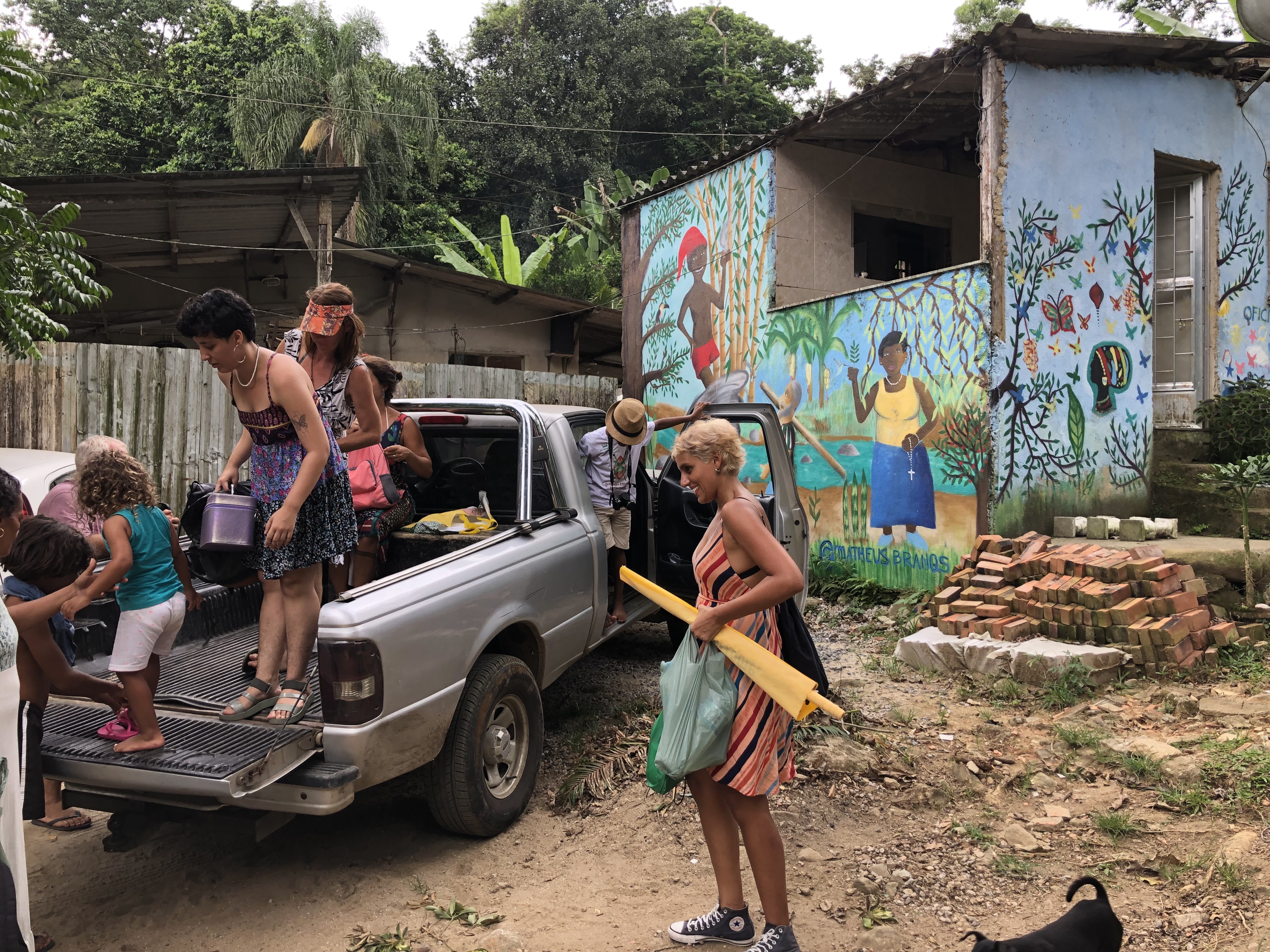
In the face of bully urbanism, we join the call for transversal solidarities across the multiple borders that divide us to explore the power and possibility of movements in resistance, worldwide (See Salo 2015). We need solidarity so that we can mobilize collectively and meaningfully to resist and survive the onslaught of violence and neglect under bully urbanism. We need solidarity to generate and co-create knowledge and practices to learn, unlearn, and guide our collective actions into a just future. We need solidarity to build the commons and care infrastructures we need to thrive and grow despite the ongoing and incoming disasters of bully urbanism.
What do we mean by Hope?
For us hope is not optimism, it is not an individualized feeling, it is rather a collective sense of commitment and everyday practice for change. We build on the work of activists such as Mariame Kaba, who calls hope a “discipline feat,” and scholars such as Della Mosley and colleagues (2019), who describe a notion of radical hope, which moves beyond an individualized feeling to construct futures on the axes of collectivity and historical connection.

Why is Nurturing Alternative Futures so Important?
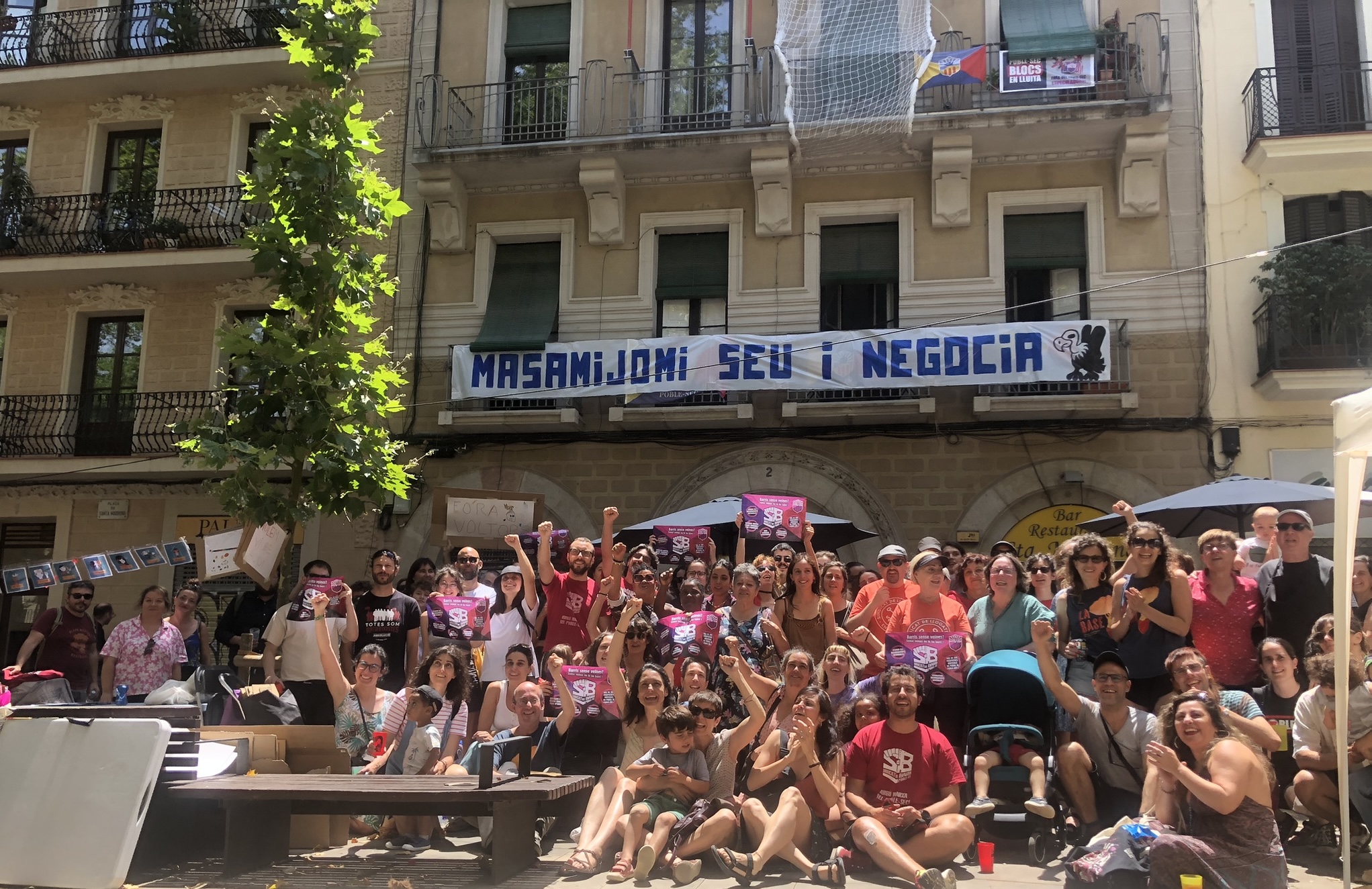
The potential of imagined humane urbanism lies in its disruption of normality, in the new common sense it helps create, and in its aspiration to uncover an idealist imagination of a future defined by justice. This is the political terrain of the core struggle this generation faces—the struggle between expanding the realm of imagination and closing it down (Miraftab 2018). The communal spaces that urban movements create help us imagine a different world and provide a fleeting experience of living in one. Even simply invoking such imagination may produce an enduring gain—a collective hope.
What do we mean by Practices of Care and Radical Care?
Our formulation of radical care is inspired by practices of alternative movements, committed to practices of care and solidarity but not merely to patch the wounds that capitalism leaves behind. They seek to sustain life but also build alternatives to patriarchal-racial-capitalism through everyday practices of life-making and solidarity to construct humane urbanism. From urban commons, communal land trusts, social and solidarity economies, de-growth movements, new municipalist experiments, to autonomous indigenous and food sovereignty movements—all are organizing to promote a logic of care that is based on need and use, not on the exploitative logic of market value and exchange. They do so by what we conceptualize as a double movement: on one hand practices of care that makes their life-making possible, and on the other practices of dissent that are counter-hegemonic and destabilize the normalized alliance of capitalism and patriarchy through invisibilized care work. Elsewhere (Miraftab, 2022) this double movement is referred to as insurgent practices of planning by the masses. (For more see Miraftab 2023, Miraftab and Huq).