
Our Team

Kashiefa Achmat
Community Partner | The Housing Assembly, South Africa
Kashiefa is an activist in the housing assembly and assists workers in her community, with work issues related to the workplace. She belongs to a women’s organisation, the Rita Edwards Collective, which involves regular workshops with women in the community and solidarity efforts with women on farms.
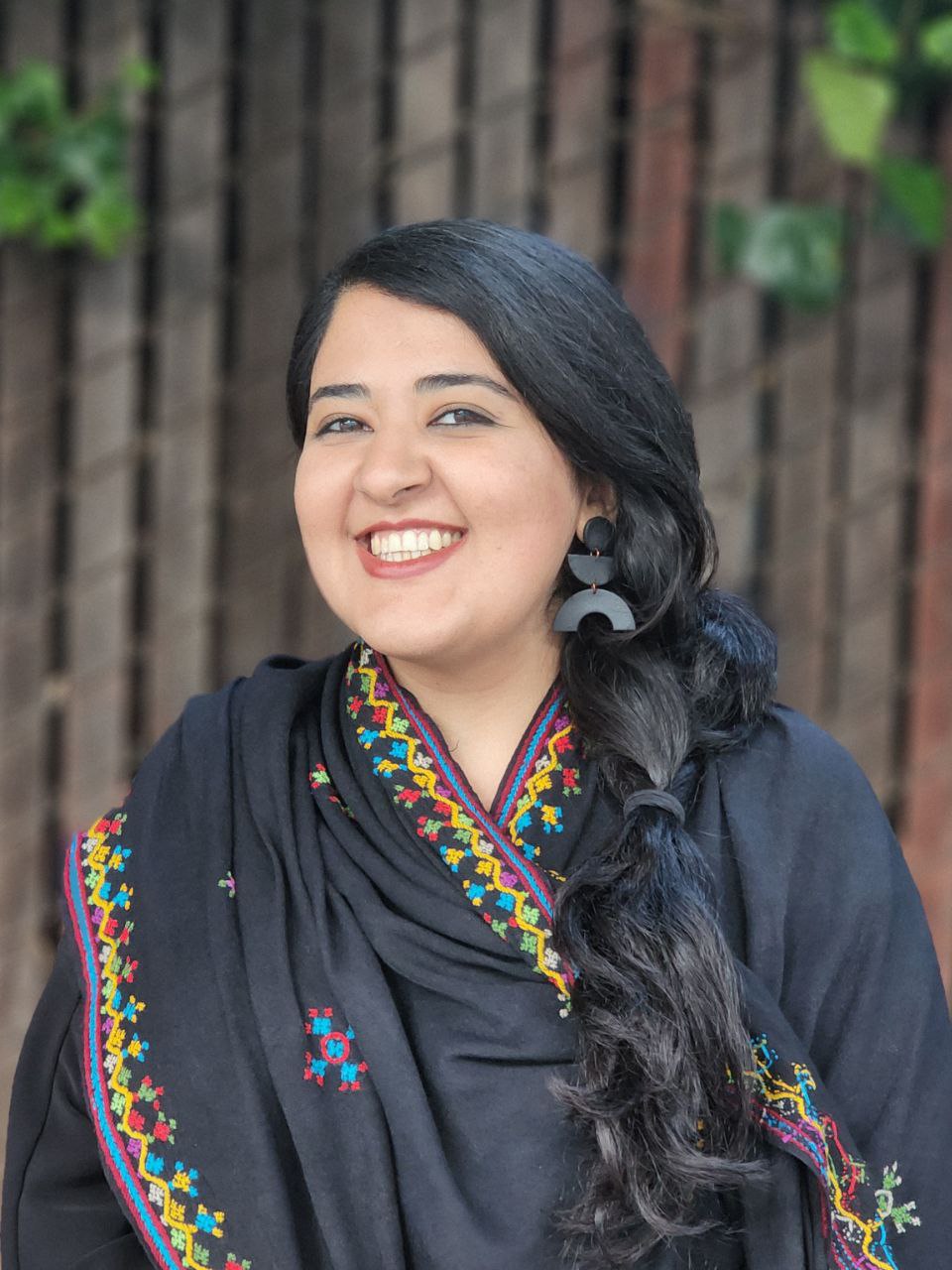
Atyeh Ashtar
Principle Investigator | University of Memphis, USA
Atyeh (Ati) Ashtari is an Assistant Professor of City and Regional Planning at the University of Memphis. She completed her Urban Planning doctoral degree at the University of Illinois, Urbana-Champaign in 2024. Coming from an extensive interdisciplinary background, Atyeh’s research interests center community as the main unit of analysis and emphasis. They broadly lie within the realms of intersectional humane urbanism; sustainable community-based development; community economies; participatory action research; critical feminist theories, methodologies, and storytelling. She has authored several publications and has done research in Iran, the United States, and Ecuador.

Mohammad Azaz
Community Partner | River & Delta Research Center, Bangladesh
Mohammad Azaz is a Bangladeshi researcher and environmental organizer working on various crucial environmental, urban, and climate justice issues. His work centers the livelihoods and struggles of communities across rural and urban areas facing social exclusion and climate injustice in the Ganges-Brahmaputra-Meghna basin areas. His research critically addresses transboundary water politics. He is the founder of the River and Delta Research Centre (RDRC) and is a member of the Just Urban platform.
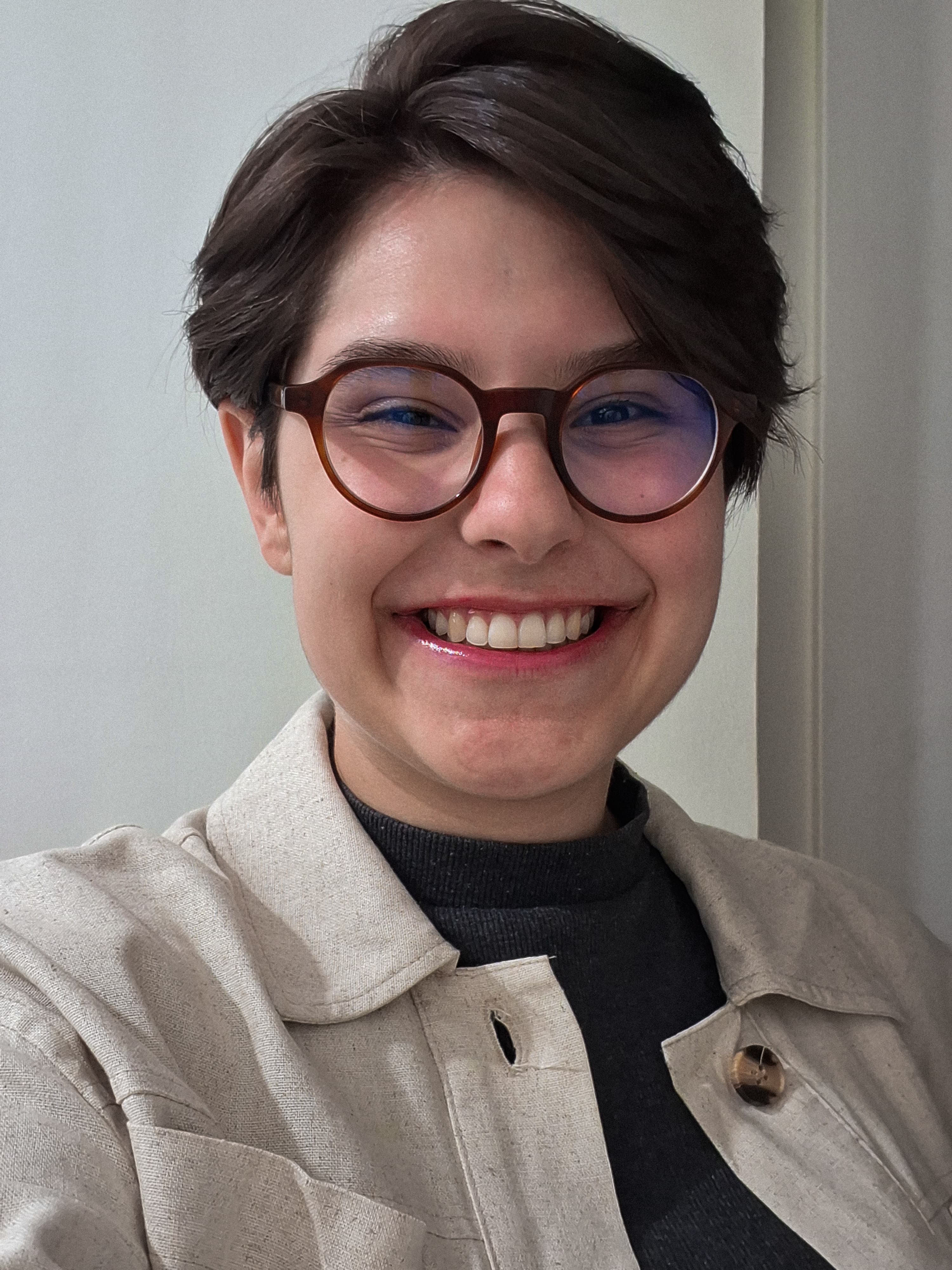
Maria Luiza Ballarotti
Researcher | Architect and Urban Planner | Graduate Student | Federal University of Paraná
Maria Luiza Ballarotti is a Brazilian architect and urban planner, currently pursuing a master’s degree in Urban Planning at UFPR. She is part of the Plantear Collective, where she contributes to territorial planning and land regularization processes alongside organized communities in urban and rural areas. Her primary research interests include Food Sovereignty as a planning framework, the development of territorially-oriented public food policies, rural-urban agri-food territories, family farming and traditional peoples’ agriculture, and the application of Urban Planning instruments and Master Plans and their spatial impacts.

Nandita Banik
Researcher | Graduate Student | University of Memphis, USA
Nandita Banik is an architect from Bangladesh who graduated from Chittagong University of Engineering & Technology & is currently doing her master’s in City and Regional Planning at the University of Memphis. She has a fervent interest in community development and is driven by a passion for fostering inclusive and thriving neighborhoods. With a design background and research experience, her goal is to leverage regional perspectives and collaborate to develop research experiences.

Silvia N. R. Baptista
Community Partner | The West Zone Solidarity Web, Brazil
A Black feminist researcher of quilombola origin, she is a member of the Popular Collective of Women and Web of Solidarity of the West Zone of Rio de Janeiro (Brazil). She has an academic background in pedagogy and is also a specialist in phytomedicine management from the Drug Research Institute of the Oswaldo Cruz Foundation (Farmanguinhos-Fiocruz). Her MA degree is from the Institute of Scientific Information and Technological Communication in Health of the Oswaldo Cruz Foundation (ICICT/FIOCRUZ).
Sarah M. Bassett
Co – Principle Investigator | Arizona State University, USA
Sarah M. Bassett is a Professor of Practice in the School of Public Affairs, Emergency Management & Homeland Security program at Arizona State University and co-Director of the Resilient Visions (RV) CoLab. She specializes in a transdisciplinary practice that addresses the social and spatial effects of natural and technological hazards, with an emphasis on how communities adapt to and manage their risk from these uncertain conditions. This work combines place-based practices, spatial computing, and policy advocacy, what she has termed a storytelling for policy advocacy methodology, to connect local needs with long-range planning and policy change in support of humane urbanism.

Koni Benson
Co – Principle Investigator | University of Western Cape,
South Africa
Koni Benson is a lecturer in the Department working in the areas of Gender History, Urban History, Public History, and Oral History. Her research focuses on mobilisation, demobilisation, and remobilisation of struggle history in southern Africa’s past and present. Her PhD drew on over 60 life narratives of women’s organized resistance to forced removals and for housing from the peak of apartheid to the present. Since 2006 she has worked with various archives and collectives coproducing life histories of self-organization and unfolding political struggles for access to land, public services, and the commons (such as water, housing, and education) in South Africa.
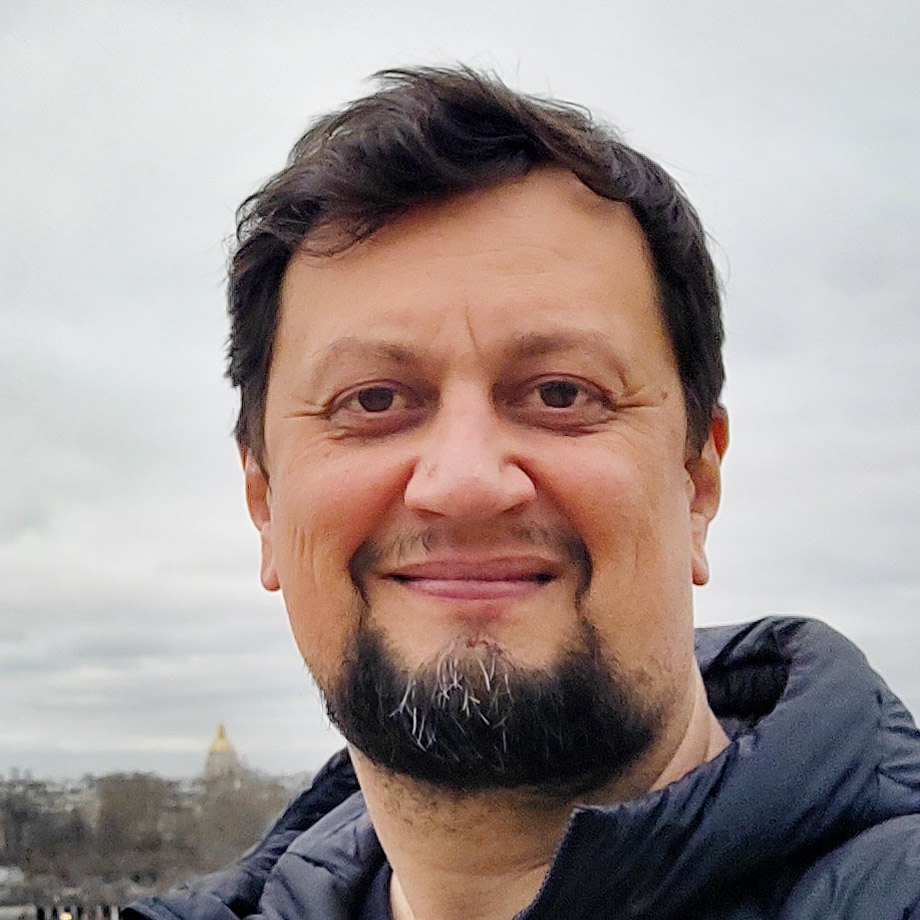
José Ricardo Vargas de Faria
Co – Principle Investigator | Federal University of Parana, Curitiba, Brazil
José Ricardo Vargas de Faria is a professor and researcher in Urban Planning and Policy at the Federal University of Paraná. Throughout his academic and professional experience, he has focused on planning methodologies and theories, the analysis and overcoming of socio-spatial inequalities, and the power relations and conflicts in planning and public management processes. This has led him to activism and studies on participatory democracy, self-management, and popular and community organizations. His concerns are analyzed through the lens of the political economy of space production, emphasizing the role of the State and social struggles in either reproducing or transforming class and power relations.

Luisa Fernandes
Research Assistant | Graduate Student | University of Illinois Urbana-Champaign
Luisa Fernandes is an architect and urbanist (Federal University of Ceará) and second year masters student in Urban Planning at the University of Illinois Urbana-Champaign. She works as a popular technical assistant with communities and social movements in Fortaleza, Brazil as a member of Quintau Coletivo (co-founder) and Taramela Assessoria Técnica (associate member). Her praxis and research focus on community engagement and participatory processes, urban contexts of socio-environmental vulnerability and the counter-hegemonic production of spatial knowledge.

Victor Font
Co – Principal Investigator | Lecturer at University of Illinois – Media and Cinema Studies, USA
Victor Font founded his own audiovisual company in the ’90s. He has been in the probusiness for more than 25 years. As principal of Prodimag his professional work has involved direction, production, postproduction, and services for worldwide production companies. In 2004 he founded Intermedio, a cinema distribution company, releasing titles for retail and home DVD, including theatrical and rights for TV. Intermedio catalog includes over 200 movie titles and books, some of which have been locally and internationally aw

Clarissa Freitas
Co – Principle Investigator | Universidade Federal de Ceara, Fortaleza, Brazil
Associate Professor at the Institute of Architecture, Urbanism and Design at the Federal University of Ceará. Clarissa Freitas works professionally for the cause of the right to the city and the environment through action research with urban social and environmental movements, often using the generation of geographic data to highlight territorial injustices. She researches the possibilities of transformative approaches to urban planning, such as Insurgent Planning. She worked on the Popular Plan of the ZEIS of Bom Jardim, on the Land Regularization Plans of 3 communities in Fortaleza and on Participatory Municipal Master Plans in the state of Ceará. She develops extension research with the Tutorial Education program of the Architecture and Urbanism course at UFC, and with the postgraduate program in Architecture, Urbanism and Design at UFC.

Adriana Gerônimo
Co – Principle Investigator | Fortaleza, Brazil
Adriana Geronimo, Black woman, raised in the outskirts of Fortaleza, mother, LGBT, social worker, activist for decent housing, human rights activist and ecosocialist. Councilwoman of Fortaleza for the PSOL, president of the human rights committee of the Fortaleza city council and member of the special committee of the Fortaleza Master Plan.
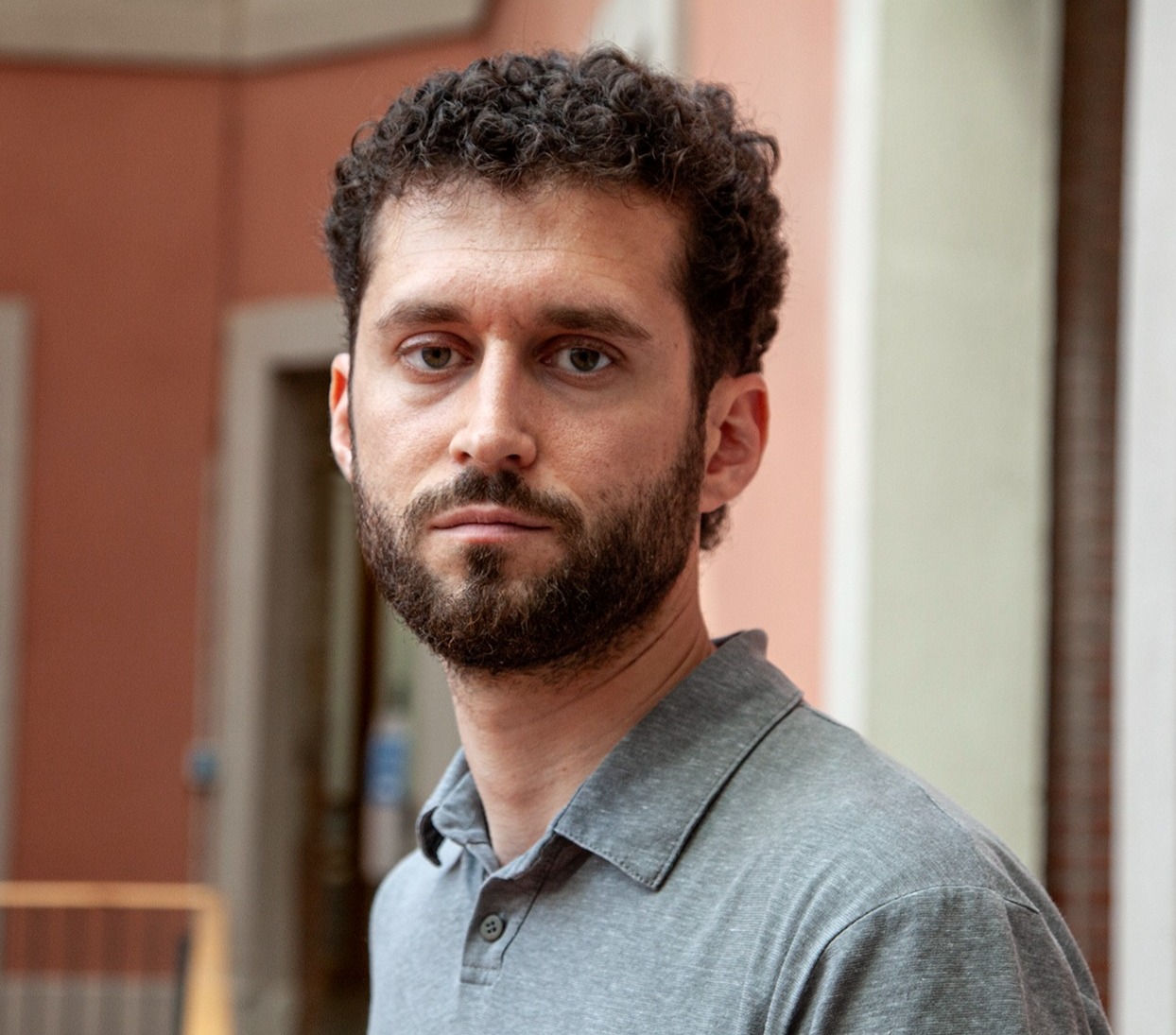
Jordi González Guzmán
Co – Principle Investigator | UPF Barcelona, Spain
Jordi González Guzmán, after a year carrying out the first Tenant Survey with the Institut de Recerca Urbana de Barcelona (IDRA) , the doctoral program begins with a scholarship at the University of Leeds (UK), in the research group Social Justice, Cities and Citizenship (2019 -2023). Jordi’s thesis, Tenants Against Corporate Landlords , focuses on the new cycle of post-2008 real estate speculation and the contentious politics of the tenant movement in Barcelona.

Erin Hernandez
Research Assistant | Graduate Student | University of Illinois Urbana-Champaign
Erin Hernandez is a second-year Master’s student in Urban Planning at the University of Illinois Urbana-Champaign. They focus their studies on mobility justice, public policy, and labor movements, with a particular focus on the experiences of women, queer, and transgender communities.

Efadul Huq
Co – Principle Investigator | Smith College and Agitate! Unsettling Knowledges Editorial Collective, USA
Efadul Huq’s research analyzes relationships between socioecological change and regional development that shape livelihoods and ecosystems across urban and rural regions in the context of global displacements and climate change. Huq’s current research, harnessing the flexibility of mixed methods ranging from spatial analysis to qualitative and quantitative approaches, examines the relationships between wetland habitations and conversions under a globally connected urban climate governance in Bangladesh.

Faeza Meyer
Community Partner | African Water Commons Collective, South Africa
Water Justice Activist, Co-ordinator African Water Commons Collective (AWCC), Cape Town, South Africa

Faranak Miraftab
Principal Investigator | Professor of Urban and Regional Planning – University of Illinois Urbana-Champaign, USA
Professor Faranak is an urban scholar of globalization, their scholarship is situated at the intersection of sociology, geography, planning, and feminist studies, using case study and ethnographic methodologies. Faranak’s research concerns social and institutional aspects of urban development and planning that address basic human needs including housing and urban infrastructure and services that support it.

Gab Muller
Researcher | Environmental Engineer | Graduate Student | Federal University of Paraná
Gab Muller is an Environmental Engineer and a master’s student in Water Resources and Environmental Engineering at the Federal University of Paraná. Their research focuses on integrated water resource management and participatory processes in urban and rural communities. Gab is a member of the Territorial Planning and Popular Advisory Collective (PLANTEAR-UFPR) and the Center for Studies in Urban Planning and Policies (CEPPUR-UFPR), where technical studies and territorial planning support social movements and communities in Paraná, Brazil, in their struggle for land, territory, and housing. Gab also coordinates the BRCidades Curitiba branch, a collective that addresses crucial urban and regional issues such as equitable and accessible mobility, housing access, dignified work, and collective health in marginalized areas. Additionally, Gab is actively engaged in securing rights for transmasculine and non-binary people.
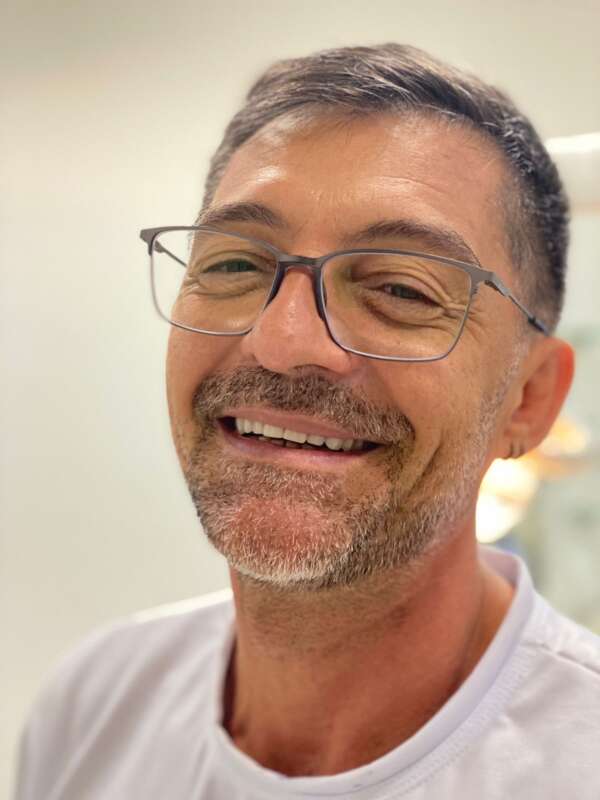
Ricardo Nascimento
Co – Principle Investigator | UNILAB, Brasileira, Brazil
Ricardo Nascimento is a professor at the Universidade de Integracao Internacional da Lusofonia Afro-Brasileira (UNILAB), Brazil. His teaching and research focus on capoeira as cultural practices of resistance worldwide.
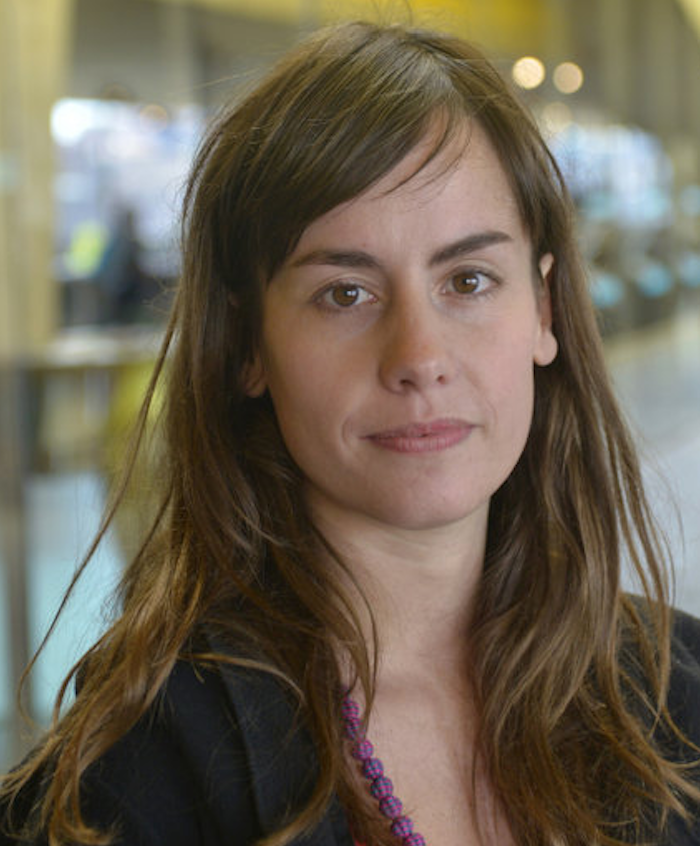
Magdalena Novoa
Co – Principal Investigator | Assistant Professor of Urban and Regional Planning
Magdalena Novoa’s work focuses on the intersections of historic preservation and social justice, the politics of cultural heritage and memory, gender and deindustrialization, grassroots organizing and alternative planning approaches in the Americas. She is particularly interested in how cultural heritage and planning principles are mobilized by various actors to integrate or segregate historically marginalized groups, as well as the challenges that arise from the changing landscapes of cities.

Adriana Oliveira
Community Partner | Movimento dos Trabalhadores Rurais Sem Terra (MST), Brazil
Adriana is an MST activist and coordinator of Marmitas da Terra, an MST initiative that, during the COVID-19 pandemic, delivered over 185,000 meals and distributed 60 tons of food in Curitiba and the Metropolitan Region between 2020 and 2022, helping to combat hunger through Popular Agrarian Reform.

Julian de Pol
Community Partner | Movimento Popular por Moradia (MPM), Brazil
I live in the Tiradentes Community and am a member of the Popular Movement for Housing (MPM). We work to organize urban occupations in Curitiba, its Metropolitan Region and the coast of Paraná. MPM is also a member of the National Zero Eviction Front and maintains connections with various entities and social organizations.
My coordination role is focused on grassroots mobilization and direct support for community leaders, contributing to the organizational strengthening of the territories. Our work goes beyond resisting forced evictions. Through grassroots mobilization, we seek to consolidate territories with a focus on development, local infrastructure and guaranteeing access to fundamental rights, with an emphasis on health, education, culture and sport.
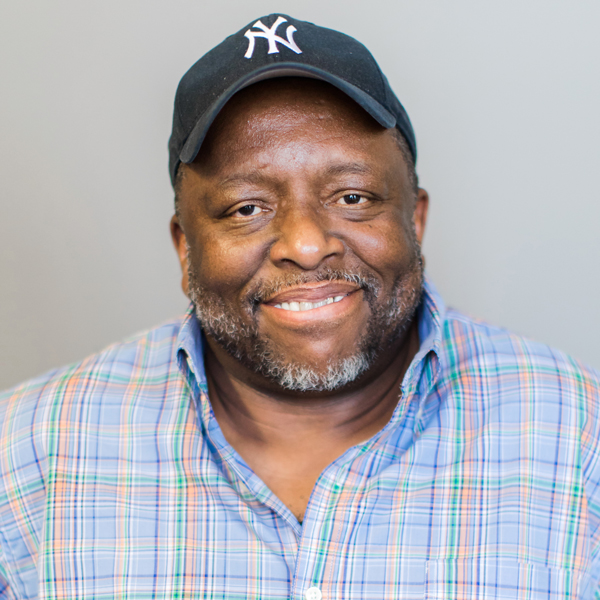
Rob Robinson
Community Partner | Partners for Dignity & Rights, USA
Rob Robinson is a formerly houseless community organizer and activist based in New York City. His work focuses on changing people’s fundamental relationship to land and housing. He works with social movements around the world including the Movement of People Affected by Dams in Brazil (MAB), the Landless Workers Movement in Brazil (MST), Abahlali baseMjondolo in South Africa (the Shackdwellers movement) and the Platform of People Affected by Mortgages in Spain (the PAH).

Greg Ruiters
Co – Principle Investigator | University of Western Cape, South Africa
Professor Ruiters has been a professor at the UWC School of Government since 2011 where he teaches and supervises a dozen or more post graduate students. His academic and scholarly interests span a range of socio political issues at the intersection of social justice, political movements, the environment and the local state.

Amanda Sakaguti
Research Assistant | Civil Engineering Student | Federal University of Paraná
Amanda Sakaguti is an undergraduate student in Civil Engineering and a researcher in the field of territorial planning. She is a member of the university advisory collective “Planejamento Territorial e Assessoria Popular” (PLANTEAR) and the Center for Studies in Urban Planning and Policies (CEPPUR), where she engages in technical support work for marginalized communities and studies the dynamics of space production in Brazil. She is also part of BRCidades, a national movement advocating for fairer, more solidarity-driven, economically dynamic, and environmentally sustainable cities.

Ken Salo
Principal Investigator | Clinical Assistant Professor in Urban and Regional Planning – University of Illinois Urbana-Champaign, USA
Professor Salo teaches and conducts research in the areas of environmental justice, environmental racism, law and international environmental policy, global justice movements, international development and planning, and negotiation and conflict management.
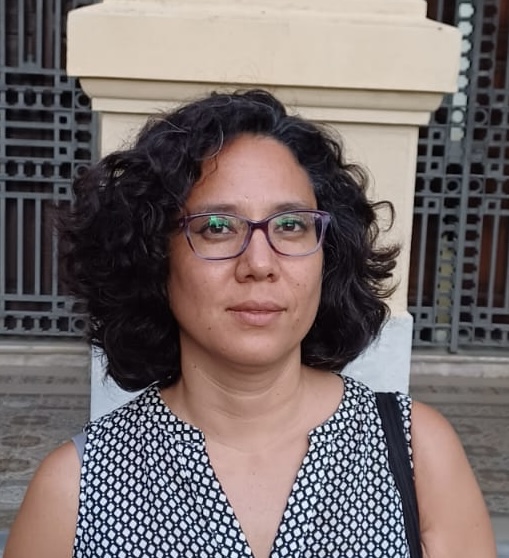
Giselle Tanaka
Co – Principle Investigator | Federal University of Rio de Janeiro, Brazil
Giselle Tanaka, Professor and researcher in the areas of urban planning, social housing, urban policies, urban social movements, environment, public policies and social participation. Political activist in Human Rights, especially the Right to Housing, the Right to the City and Free Expression. Researcher at the State, Labor, Territory and Nature Laboratory – ETTERN IPPUR UFRJ, since 2011. Researcher associated with the Housing and Human Settlements Laboratory – LabHab at FAUUSP.

María José Tejero
Research Assistant | Graduate Student | University of Illinois Urbana-Champaign
María José Tejero is a Mexican architect (UADY) and current master student of Urban Planning at UIUC, focusing on Transnational Planning and Community Development for Social Justice. Her work explores the intersections of housing, environmental justice, and collective action, particularly in marginalized communities in Yucatán, Mexico. She has experience working on community-based agroecological initiatives and holds practical knowledge in regenerative landscape design. Her aim is to contribute to the production of urban knowledge through innovative, justice-driven practices in planning and design.
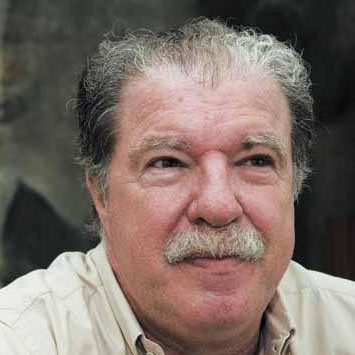
Carlos Vainer
Co – Principle Investigator | Federal University of Rio de Janeiro, Brazil
Carlos Vainer is a Professor at the Research in Urban and Regional Planning Institute (Federal University of Rio de Janeiro), coordinator of the Urban Conflicts Observatories Network, and of the Experimental Nucleus for Conflictual Planning.

Leonardo e Silva Ventura
Research Assistant | Graduate Student | University of Illinois Urbana-Champaign
Leonardo e Silva Ventura is a Ph.D. student in History at the University of Illinois, Urbana-Champaign, and holds an MA in Latin American Studies from the same university. His dissertation research, “The Black Epistemological Turn: Centering Race, Racism, and the Black Experience in the Brazilian Social Sciences” explores intellectual activities and intellectual production made by “epistemic quilombos” and Black intellectual-activists who, not only confronted Luso-tropical theory and racial democracy paradigm, but also changed how and why we produce Social Sciences. Supported by the history department, Center for Latin American and Caribbean Studies, and Humanities Research Institute at the University of Illinois, Urbana-Champaign he conducted archival and oral history research in Rio de Janeiro and São Paulo.

…
Humane Urbanisms Project (HUP)
Stories of Radical Care, Hope, and Imagined Just Futures
Constructing Solidarities for Humane Urbanisms, a multilingual Open Access platform where artists, academics, and activists will co-create knowledges and practices of radical care, hope, and imagination as a collective in resistance to dominant, exclusionary (aka “bully”) urbanizations.
Designed by Najma Nuriddin
Get updated
Stay connected with us